Living a Life of Service: Finding Your Spiritual Purpose
What Does It Mean to Live a Life of Service?
Discovering Your Purpose Through Compassion, Spiritual Wisdom, and the Gifts You Share with the World
There comes a time in our lives when we begin asking deeper questions about our purpose.
Why am I here?
What am I meant to accomplish?
How can I make a meaningful difference in the world?
And perhaps one of the most important questions of all:
How can I use the gifts I have been given to serve others?
These questions have been meaningful parts of my own spiritual journey.
Throughout my life, I have been drawn toward teaching, creating, mentoring, and helping others discover possibilities within themselves.
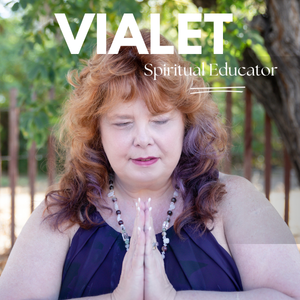
For more than forty years, education has been an important part of who I am. From teaching adults and working as a college professor to creating spiritual programs and experiences, I have always found tremendous joy in watching someone discover something new about themselves.
There is something magical about witnessing that moment when a person begins to recognize their own potential.
Perhaps they discover a spiritual gift they did not know they possessed.
Maybe they develop the confidence to pursue a dream.
Or perhaps they begin seeing themselves through a more compassionate and empowering perspective.
These experiences remind me that service does not always require extraordinary actions.
Sometimes, it simply requires us to be present, share our wisdom, and create opportunities for others to grow.
As I reflect on November's theme of Gratitude and Service, I recognize how deeply these two energies are connected.
Gratitude allows us to appreciate what we have received.
Service invites us to consider what we can contribute.
And together, they encourage us to live with greater intention, compassion, and purpose.
Service Is More Than What We Do
When we think about service, we often imagine volunteering, donating to a charitable organization, or helping someone in need.
These are beautiful expressions of generosity.
But I believe living a life of service is something much deeper.
Service is not simply an activity we perform.
It is an intention we carry into our everyday lives.
It influences how we treat people, how we share our knowledge, and how we respond when someone needs encouragement.
A life of service does not necessarily require us to change careers, establish a nonprofit organization, or become a spiritual leader.
We can express service through the roles we already hold.
A parent serves by nurturing and encouraging their children.
A teacher serves by helping students develop knowledge and confidence.
A business owner serves by creating meaningful experiences and treating customers with care.
A friend serves by offering compassion during difficult moments.
And sometimes, service is simply being willing to listen when someone needs to feel heard.
The true meaning of service is not measured by how much we accomplish for others. It is reflected in the love, integrity, and intention we bring into our actions.
My Journey of Service Through Education
When I look back over my life, I recognize that teaching has been one of my greatest opportunities for service.
I have always loved learning.
There is something exciting about discovering new information, exploring different perspectives, and finding creative ways to share knowledge.
But what I love even more is helping someone else experience that excitement.
Throughout my years in education, I have worked with individuals who brought different backgrounds, experiences, and goals into the classroom.
Some were returning to school after many years.
Others were exploring new careers or developing skills they needed to move forward.
Many were balancing their education with family responsibilities, employment, and personal challenges.
These experiences taught me that education is about much more than delivering information.
It is about recognizing the individual sitting in front of you.
It is about understanding that everyone learns differently.
It is about creating an environment where people feel comfortable asking questions, exploring possibilities, and discovering their strengths.
And sometimes, it is about believing in someone before they have learned to believe in themselves.
I have always felt that teaching is a sacred responsibility.
When someone enters a classroom, they are trusting us with a portion of their time, attention, and personal growth.
That trust deserves respect.
It requires preparation, compassion, patience, and a genuine commitment to helping others succeed.
Over the years, I have come to understand that the greatest reward of teaching is not simply knowing that someone has completed a program.
It is recognizing that the experience may have helped them see new possibilities for their life.
When Spirituality Becomes a Path of Service
As my spiritual journey expanded, I began recognizing that many of the things I loved about education could also become meaningful parts of my spiritual work.
I wanted to create opportunities for individuals to explore their intuition, understand energy, develop their spiritual gifts, and deepen their connection with the Divine.
I wanted people to feel comfortable asking questions.
I wanted spiritual learning to be accessible, meaningful, and empowering.
And I wanted to create experiences that encouraged people to trust themselves rather than believe they needed someone else to provide every answer.
These intentions became important foundations for my work through Discover Your Spiritual Gifts and Sacred Temple Mystery School.
Through classes, sacred ceremonies, readings, healing experiences, and spiritual programs, I have had the opportunity to connect with people who are exploring many different stages of their journeys.
Some are just beginning.
Others have studied spirituality for decades.
And many are seeking a deeper understanding of the experiences they have already encountered.
What continues to inspire me is that every individual brings something unique.
No two spiritual journeys are exactly alike.
We may explore similar teachings or participate in the same ceremonies, but the meaning we discover is deeply personal.
I believe my responsibility as a spiritual educator is to create opportunities for learning and exploration while honoring each person's individual path.
I can share what I have studied.
I can offer my experiences and perspectives.
I can create sacred spaces for reflection.
But ultimately, every person must discover their own relationship with the Divine.
True spiritual service empowers others to recognize the wisdom and Light that already exist within them.
We All Have Gifts Worth Sharing
One of the things I believe deeply is that every person has something meaningful to contribute.
We sometimes overlook our gifts because they seem ordinary to us.
Perhaps you are naturally compassionate.
You may have a beautiful ability to listen.
Maybe you are creative, organized, intuitive, patient, or encouraging.
You might have a talent for bringing people together.
Or perhaps you have gained wisdom through life experiences that could help someone navigating a similar situation.
These gifts may not always receive public recognition.
But that does not make them less valuable.
I have met people who make a tremendous difference simply through their kindness.
They remember someone's name.
They notice when a person feels uncomfortable.
They offer encouragement without expecting anything in return.
And they create a sense of belonging wherever they go.
These are meaningful gifts.
Sometimes we become so focused on discovering an extraordinary spiritual purpose that we overlook the opportunities already present in our lives.
We may believe our purpose must involve something dramatic or highly visible.
But perhaps our purpose is expressed through the people we encourage, the knowledge we share, and the compassion we bring into everyday experiences.
The question is not always, What extraordinary gift do I possess?
Sometimes the more meaningful question is:
How can I use the gifts I already have to make someone's life a little better?
The Difference Between Helping and Empowering
One of the most important lessons I have learned through teaching and spiritual work is that helping someone does not always mean doing everything for them.
When we care deeply about others, we naturally want to make their lives easier.
We may offer advice, provide solutions, or step in when we see someone struggling.
But sometimes, our desire to help can unintentionally prevent another person from discovering their own strength.
I believe meaningful service should encourage empowerment.
As an educator, I have always wanted students to develop the confidence to apply what they have learned.
I do not want them to feel that they must continually return to me for every answer.
I want them to recognize their own abilities.
The same principle applies to spiritual development.
A spiritual teacher can introduce practices, share perspectives, and provide opportunities for exploration.
But each individual must develop their own understanding.
We cannot walk another person's spiritual path for them.
We cannot make every decision on their behalf.
And we cannot assume responsibility for every challenge they encounter.
Sometimes the greatest service we can offer is encouragement.
We can remind someone that they are capable.
We can help them recognize choices they may not have considered.
And we can support their growth without taking control of their journey.
Empowerment is one of the most beautiful expressions of service because it encourages people to discover their own strength.
Service Requires Compassion, Not Perfection
I think it is important to remember that living a life of service does not mean we will always know the right thing to say or do.
We are human.
We make mistakes.
We experience frustration.
We become tired.
And sometimes, we discover that our good intentions did not create the outcome we expected.
These experiences are part of learning.
Service requires compassion, but it also requires humility.
We must be willing to listen.
We must recognize that other people may experience situations differently than we do.
And we must remain open to adjusting our approach when necessary.
I believe one of the greatest gifts we can offer another person is the willingness to meet them where they are.
Not where we believe they should be.
Not where we wish they were.
But where they are in that moment.
Sometimes people need encouragement.
Sometimes they need information.
Sometimes they need practical assistance.
And sometimes they simply need someone who will listen without judgment.
When we approach others with compassion rather than expectations, we create opportunities for meaningful connection.
We do not need to be perfect to serve.
We simply need to remain willing to act with kindness, awareness, and integrity.
The Importance of Boundaries in a Life of Service
This is an area of spiritual growth that I believe deserves more attention.
Many individuals who feel called to serve are naturally generous with their time and energy.
They want to help.
They want to make a difference.
And they often feel deeply responsible for the people and communities they support.
But service can become exhausting when we believe we must always be available.
There may be moments when we say yes to another responsibility even though our schedule is already full.
We may feel guilty about taking time for ourselves.
Or we may believe that resting means we are somehow neglecting our purpose.
I understand how easy it can be to become absorbed in the things we love doing.
When we are passionate about our work, there is always another idea to explore, another project to complete, or another person we would like to support.
But I am learning that our capacity to serve is strengthened when we also honor our own needs.
We cannot continually give without allowing time for renewal.
Our bodies need rest.
Our minds need quiet moments.
Our hearts need nurturing.
And our creative energy needs opportunities to be replenished.
Healthy boundaries do not diminish our compassion.
They help us express it in sustainable ways.
Sometimes we need to decline an invitation.
Sometimes we need to postpone a project.
And sometimes we need to recognize that another person's needs do not automatically become our responsibility.
A life of service should not require us to abandon ourselves.
We deserve the same kindness and consideration we offer others.
Learning That Receiving Is Also Sacred
For individuals who naturally enjoy giving, receiving can become an important spiritual lesson.
We may be comfortable offering assistance but hesitate when someone wants to help us.
We might minimize compliments or feel uncomfortable accepting appreciation.
Perhaps we believe we should be able to handle everything ourselves.
But relationships are not meant to flow in only one direction.
There are seasons when we have the capacity to offer tremendous support.
And there are seasons when we may need encouragement, assistance, or care.
Both experiences are meaningful.
When someone offers us kindness, we can allow ourselves to receive it with gratitude.
When a friend offers assistance, we do not need to immediately feel indebted.
When someone expresses appreciation for our work, we can simply say thank you.
Receiving does not make us less capable.
It reminds us that we are part of a larger network of connection and support.
I believe this is especially important for spiritual teachers, healers, caregivers, and community leaders.
We spend so much time creating experiences for others that we may forget we are also allowed to be supported.
Service becomes more balanced when we recognize that giving and receiving are both valuable parts of life.
Creating Community Is an Act of Service
One of the things that brings me tremendous joy is watching people connect.
There is something beautiful about creating an environment where individuals can gather, explore their interests, and develop meaningful relationships.
At Discover Your Spiritual Gifts, I have witnessed people arrive for a class or event without knowing anyone.
Perhaps they feel uncertain about what to expect.
Maybe they are exploring spiritual experiences that they have not felt comfortable discussing with others.
Over time, they begin recognizing familiar faces.
They participate in conversations.
They share experiences.
And sometimes, they develop friendships that extend beyond the classroom.
These moments remind me that community is one of the most meaningful gifts we can create together.
A spiritual center is not simply a physical location where classes take place.
It can become an environment where people feel welcomed, encouraged, and connected.
But community requires participation.
It grows through the kindness of teachers, practitioners, volunteers, students, and visitors.
Every person contributes to the experience.
When someone welcomes a new participant, they are serving.
When a student encourages another student, they are serving.
When a volunteer contributes their time, they are serving.
And when people share their gifts in ways that support the well-being of others, they help strengthen the community.
Service is not always about creating something for people. Sometimes it is about creating something meaningful with them.
The Quiet Acts of Service That Matter Most
As I have grown older, I have become increasingly aware that some of life's most meaningful moments are also the simplest.
A thoughtful conversation.
A handwritten note.
An unexpected expression of appreciation.
A moment of laughter.
Or the opportunity to encourage someone who is experiencing uncertainty.
These moments may never become part of a public accomplishment.
They may not appear on a résumé or receive recognition.
But they can become important memories for the people involved.
We never fully know how our words or actions may influence someone else's day.
A kind comment may arrive when someone needs encouragement.
A patient explanation may help someone feel capable.
A simple invitation may help a person feel less alone.
And a genuine expression of appreciation may remind someone that their contributions matter.
I believe these quiet acts of service are among the most beautiful ways we can express our spiritual values.
They do not require elaborate planning.
They simply require awareness.
When we become more conscious of the people around us, we begin recognizing opportunities to bring kindness into ordinary experiences.
Gratitude and Service: A Beautiful Partnership
November has invited us to explore the relationship between gratitude and service.
As I reflect on these two qualities, I recognize how naturally they complement one another.
Gratitude encourages us to appreciate what we have received.
Service invites us to share what we have learned and experienced.
Perhaps someone once believed in you when you were uncertain about your abilities.
That experience may inspire you to encourage someone else.
Maybe a teacher introduced you to an idea that changed the direction of your life.
Years later, you may have an opportunity to share your knowledge with another person.
Or perhaps a community welcomed you during a season when you needed connection.
Now you may feel inspired to contribute to that same sense of belonging for others.
These experiences create a beautiful cycle of gratitude and generosity.
We receive.
We appreciate.
We grow.
And when the opportunity feels appropriate, we share.
Not because we are obligated to repay every blessing.
But because the gifts we have received may inspire us to contribute something meaningful in return.
I believe this is one of the ways we discover purpose.
Our experiences become part of the wisdom we carry.
And that wisdom can become a gift we offer to the world.
How Do We Know When We Are Living Our Purpose?
People often ask how they can discover their soul's purpose.
They may be searching for a particular career, spiritual calling, or extraordinary mission.
But I believe purpose is not always something we discover through one dramatic revelation.
Sometimes it unfolds gradually.
We begin recognizing the experiences that bring us fulfillment.
We notice the activities that inspire us.
We discover the gifts we naturally enjoy sharing.
And we become more aware of the ways we can contribute to the lives of others.
For me, teaching and creating have always been meaningful.
I love developing programs, writing books, exploring spiritual teachings, and bringing new ideas into the world.
But beneath those activities is something deeper.
I want people to recognize their possibilities.
I want them to feel empowered.
I want them to understand that they have wisdom, gifts, and strengths worth exploring.
And I want to create opportunities for meaningful spiritual connection.
The activities may change over time.
The programs may evolve.
The projects may become larger or smaller.
But the deeper intention remains.
This is why I believe purpose is often connected to the values we choose to express.
Rather than asking only, What am I supposed to do with my life?
We might also ask:
What qualities do I want to bring into the world?
What experiences bring me a sense of meaning?
How can I use my natural gifts to support others?
What kind of difference do I want to make?
The answers may help us recognize that purpose is already unfolding through the choices we make.
A Sacred Reflection on Living a Life of Service
I invite you to take a few moments to reflect on the gifts you bring into the world.
Find a quiet place where you can sit comfortably.
You may wish to light a candle safely or place a meaningful crystal nearby as a symbol of your intention.
Take several gentle breaths.
Allow yourself to become present.
Place your hands over your heart.
Begin by reflecting on the people who have made a difference in your life.
Think about those who have encouraged you, supported you, taught you, or offered kindness during difficult moments.
Allow yourself to experience gratitude for their contributions.
Now consider the gifts you possess.
Perhaps you are compassionate, creative, patient, intuitive, organized, or encouraging.
Maybe you have knowledge or life experiences that could help someone else.
Recognize these qualities without minimizing their importance.
Imagine a beautiful golden Light surrounding your heart.
Allow this Light to represent the love, wisdom, and compassion you wish to bring into the world.
Silently affirm:
I am grateful for the gifts and experiences that have shaped my journey.
I recognize that my life has meaning and purpose.
I honor the wisdom I have gained.
I share my gifts with compassion, humility, and integrity.
I empower others to recognize their own strengths.
I honor my personal needs as I walk a path of service.
I welcome opportunities to contribute in ways that are meaningful and balanced.
May my actions become expressions of Divine Love.
Remain in reflection for a few moments.
Then ask yourself:
What is one meaningful way I can express service this week?
Allow the answer to be simple.
Perhaps you feel inspired to encourage someone, share your knowledge, volunteer, reconnect with a friend, or offer a thoughtful gesture.
Choose something that feels authentic.
And remember that service does not need to be extraordinary to be meaningful.
Journal Prompts: Discovering Your Path of Service
As you reflect on your purpose and the gifts you share, consider exploring these questions:
1. What does living a life of service mean to me personally?
2. Which experiences have brought me the greatest sense of meaning and fulfillment?
3. What natural gifts or abilities do I enjoy sharing with others?
4. Who has made a meaningful difference in my life, and what did their example teach me?
5. How can I empower others rather than assuming responsibility for their journeys?
6. Where do I need healthier boundaries to maintain balance between giving and receiving?
7. What opportunities for service already exist within my everyday life?
8. How can I express greater compassion and integrity through my relationships?
9. What would I like people to remember about the way I made them feel?
10. How can I continue living with purpose while honoring my own joy, creativity, and well-being?
Allow your reflections to guide you toward a deeper understanding of your personal path.
The Legacy We Create Through Service
As I reflect on my own journey, I recognize that the things I once believed were most important have continued to evolve.
Accomplishments matter.
Goals can be meaningful.
And there is tremendous satisfaction in creating something that reflects our dreams and dedication.
But I also believe that the legacy we leave is not measured exclusively by what we build or achieve.
It is reflected in the lives we touch.
The people we encourage.
The wisdom we share.
The relationships we nurture.
And the opportunities we create for others to discover their own possibilities.
I hope that the experiences I create through my teaching, writing, and spiritual work continue to encourage individuals to recognize their gifts.
I hope people leave my classes feeling more confident, inspired, and connected to themselves.
I hope the communities we build provide opportunities for friendship, learning, and meaningful spiritual exploration.
And I hope that, along the way, I continue learning how to balance my desire to serve with the importance of caring for myself.
Because I recognize that living a life of service is not something we accomplish once.
It is a commitment we renew through our everyday choices.
Some days, that commitment may involve teaching a class or supporting a community.
Other days, it may mean offering encouragement to one person.
And sometimes, it may mean allowing ourselves to rest so we can return to our work with renewed inspiration.
Every expression has value.
As we close November's theme of Gratitude and Service, I encourage you to consider the beautiful gifts you bring into the world.
You do not need to become someone different to make a meaningful contribution.
You do not need an extraordinary title or a perfect understanding of your purpose.
You simply need to recognize that who you are and what you have experienced can become meaningful gifts when shared with compassion.
A life of service is not about how much we give away. It is about how much love, wisdom, and intention we bring into the life we choose to live.
May you continue discovering the beauty of your gifts.
May your journey be filled with meaningful connections.
May you recognize the difference you make through even the smallest acts of kindness.
And may you always remember that your own happiness, peace, and well-being are also sacred parts of your purpose.
With love and gratitude,
Vialet B Rayne.